When most people think of a fiction writer, they picture a solitary creature sitting at a desk at night, staring at a blank page and waiting for inspiration. That’s a ridiculous image. Writers don’t wait for inspiration. If they did, they’d never get anything written. Instead, they develop the creativity muscle.
Once that muscle has some strength, it gives the writer the ability to come up with story ideas, fill them with imaginary people, create powerful scenes, draft clever dialogue, and find the perfect cadence that makes a critical sentence sing and do all of this on demand.
Developing this creative power made me a better writer. It also made me a better marketer. Here’s why:
Fiction Trains You to Ask “What If?”
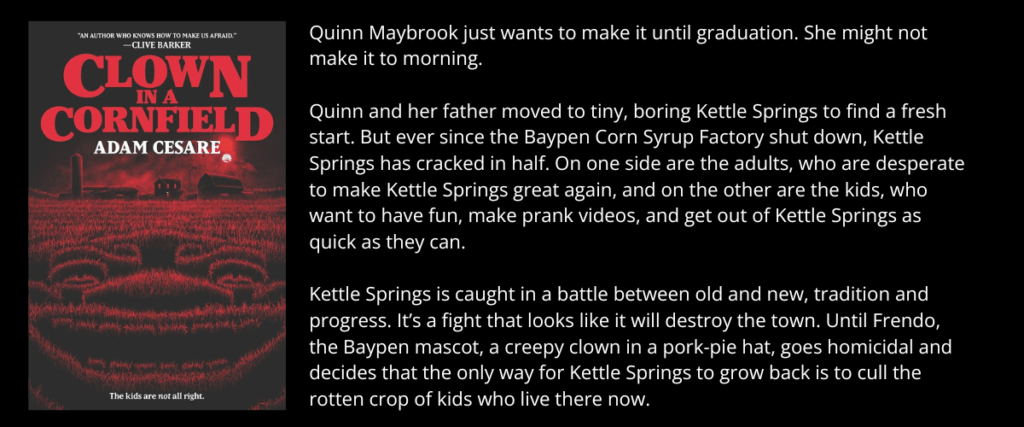
Every story starts with some kind of question: What if a boy discovers he’s a wizard? What if a spaceship lands in your backyard? What if the clown in your small town isn’t friendly at all?
Fiction writers live in that realm of possibility. We’re trained to ask not just one “what if,” but a dozen, and then another dozen after that. It’s not about finding the right idea on the first try. It’s about chasing the unexpected and finding the answers that other’s don’t.
That same approach fuels marketing brainstorms. When you’ve trained yourself to push past the obvious, you find campaigns and content ideas that actually cut through the noise.
Characters = Customer Personas
In fiction, every character has a deeply seated, inner motivation, a wound, and a goal. You can’t tell a compelling story without knowing what your protagonist wants most (and what stands in their way) and what they really need.
Sound familiar? It should. In marketing, customers are our protagonists. Their pain points, desires, and obstacles are what drive the entire narrative of a brand.
Brainstorming with Data vs. Imagination
Marketers brainstorm with dashboards open. They look at click-through rates, engagement curves, demographic breakdowns, and customer feedback. Every idea is tested against data: Will this resonate with the 25–34 demo? Does it align with what performed last quarter?
Fiction writers don’t have dashboards. Our data is internal: memory, emotion, scars. We measure ideas against truth: Would this character really do this? Does this moment feel earned?
Both approaches matter. In marketing, data keeps us grounded. In fiction, imagination keeps us brave. And in both, the best brainstorms happen when you balance evidence with instinct.
Plot Twists Keep You Flexible
Sometimes, your story doesn’t go where you thought it would. A character rebels. A subplot steals the spotlight. The story takes a turn you didn’t see coming and you have to toss your outline and adapt.
Marketing is the same. Campaigns don’t always perform the way we expect. Competitors take defensive action. The market shifts. The environment changes.
Fiction taught me not to fear the inevitable pivot but to embrace it. A twist can ruin you, or it can make the story unforgettable.
The Brainstormer’s Creed
When I sit down to brainstorm now, whether it’s for a new campaign, a blog post, or an organic strategy, I bring the tools of the novelist with me. You can, too, because here they are:
- Ask “what if?” until you break through the obvious.
- Treat customers like characters with desires, pain, hidden motivations, wants, needs, and backstories.
- Be flexible — the best ideas are often hiding in the detours.
Final Thought
Fiction made me a better brainstormer because it taught me that creativity isn’t a lightning strike. It’s a discipline. An ongoing practice. A willingness to wander into the unknown and trust that somewhere in the dark, you’ll stumble onto the spark that lights the way.
And that’s true whether you’re writing novels or writing marketing plans.🔑