What Stephen King’s Bleakest Novel Teaches Us About Life, Brands, and Marketing
The Long Walk is Stephen King’s bleakest novel. It’s a slow and punishing read that feels vaguely like staring at an accident; you know you should look away; you want to look away, but you don’t. You can’t.
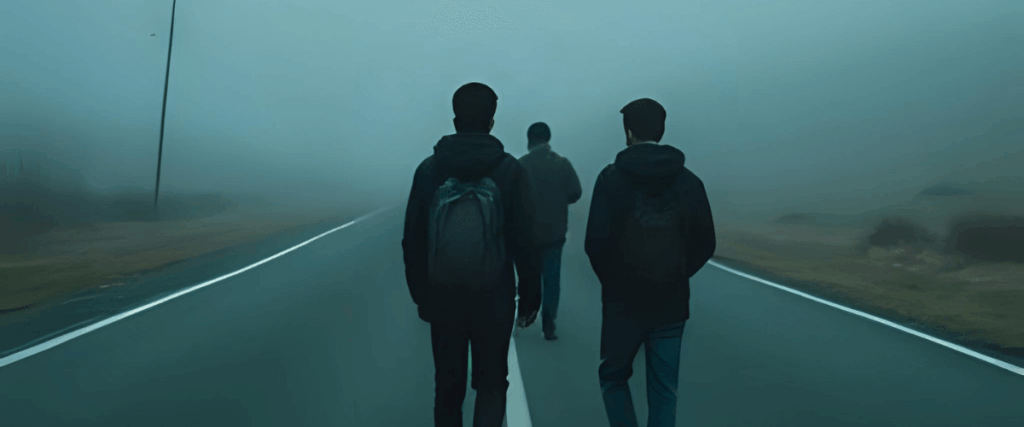
Photo by Canva’s AI
If you’re not familiar with the story:
Once a year, 100 teenage boys compete in a marathon called the Long Walk. It’s a battle of endurance supervised by robot-like soldiers. When a boy slows down once too often, the soldiers shoot him.
The last boy standing (meaning, the last boy alive) is the winner.
Throughout the story, the contestants remain in motion, surviving one painful step at a time, even as merciless exhaustion, cramps, hunger, and mental collapse sink in.
As if that’s not horrifying enough, the real horror surfaces when you fully grasp the theme. Once you see it, you can never unsee it; and it will haunt you.
It will also remind you of certain brands…
Movement = Progress is a Big Fat Lie
Brands outlive their usefulness. Their once innovative products sink into a swamp of “me too” quicksand. Puffery and fake urgency keep the brand from drowning, but it’s an ongoing struggle.
The positioning remains intact, but the messaging rings hollow because the brand is focused on survival more than mission. The brand no longer matters. Eventually, nobody remembers why it mattered in the first place.
That brand is no longer marketing. It’s walking, pretending that motion equals meaning. The end is always near, and it’s only a matter of time before it stumbles.
“You can’t help it. You love the idea of winning. Even when the game is killing you.”
— The Long Walk, Stephen King (writing as Richard Bachman)

