What Stephen King’s Pet Sematary Can Teach Marketers About Brand Resurrection
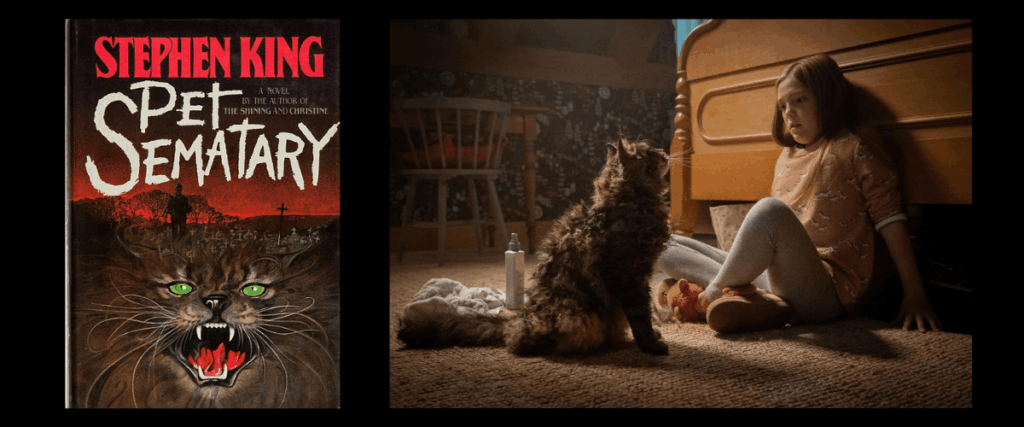
In Pet Sematary, Louis Creed learns the cost of ignoring natural endings. The death of his son is unbearable, so he turns to an ancient burial ground that promises resurrection. But what comes back isn’t what was lost.
The real horror of King’s novel isn’t the reanimation of the dead. It’s our refusal to let go. To accept loss. To allow something to stay buried.
Marketers are no different.
We cling to old campaigns, tired taglines, and “legacy products” long past their expiration date. Why? Because they used to work. Because we spent too much time and money on them. Because, like Louis Creed, we’re too close—too emotional—to see the truth.
And so we dig them up. We give them a fresh coat of paint. We whisper, “Maybe it’ll be different this time.”
But the truth is what King told us decades ago:
Sometimes dead is better.
💀 The Curse of Nostalgic Marketing
Maybe it was a killer campaign back in 2016. Perhaps it’s the product helped build the brand’s name. Maybe it’s something that the top exec simply loves . None of that means it belongs in your playbook.
The reason is simple: time marches on and everything changes. The moment has passed. The market has changed. The consumer is no longer the same.
Trying to revive a message, product, or anything that’s no longer relevant is like bringing back a body without a soul. It looks familiar but your audience can smell the rot.
🧟♂️ Zombie Campaigns and the Illusion of Safety
Zombie campaigns are easy to spot:
- They reuse old headlines that once converted but now fall flat.
- They cling to dated visuals or voice because “it’s always been our look.”
- They repeat the same brand story even though the customer’s pain point has evolved.
It feels safe. But it’s as dangerous as bringing back a loved one from the dead.
Because nothing eats marketing credibility faster than false storytelling, AKA lying. When you’re dragging the corpse of past success through your current messaging, the audience knows it; and assumes you’re stopped caring.
🪦 Ask Before You Resurrect
Before you dig up that old campaign, that classic tagline, that beloved-but-dusty brand mascot—ask yourself:
- Why did it die in the first place?
Was it the wrong message, or just the wrong time? And has that changed? - Has the customer changed?
What mattered to them then might not matter now. Don’t assume they’re still grieving the same pain. - Can it come back better—or just back?
There’s a difference between evolution and resurrection. One moves the story forward. The other reanimates the past.
🕯️ Let It Go, or Tell a New Story
The best marketers know when to close the book. Not every campaign deserves a reboot. Not every brand is meant to be eternal.
Sometimes the best way to honor a product, a campaign, anything is to acknowledge what it taught you and let it rest. Then come up with something new. Because in branding—as in horror—resurrection without reflection leads to monsters. “What you bring back may not be what you lost.”
Sometimes, dead is better.

